Showing posts with label seasonal change. Show all posts

Friday, February 11, 2011

Blue Skies

“Blue skies, smiling at me, nothing but blue skies, do I see.”
“Blue days, all of them gone, nothing but blue skies, from now on.”   
~ Irving Berlin

After a gray and gloomy winter, with over 80 days of snow on the ground – a record for St. Louis - and record cold temperatures, this is our second of two stellar clear blue-skied days.  What a difference the bright blue color of the sky makes!  Added to that, and although it is still only 23° F at 9:30 this morning, we are actually due to rise above freezing today, and the rest of the ten-day forecast looks even better, with highs in the 40’s and 50’s.  Goodbye snow!  (I won’t give too much thought to “hello, muddy paws” at the moment!)

As we ease toward spring here in the northern hemisphere, the increasing day length also adds to the cheery mood.  It’s so nice to leave work at 5:00 and come home with enough daylight to get the dog out for a romp, fill the bird feeders before dark, and have a good look around the yard.  Despite the very cold temperatures, in the past week or two the birds have started to warm up their voices.  I hear a cardinal calling as I write, and have heard sweet tunes from the song sparrow and the Carolina wren.  Our resident red-shouldered hawk has also become more vocal, as have the area barred owls. 

Although my spirits haven’t been particularly low, I have been plodding along through these 14+ weeks of treatment with my routine of visits to the hospital every Monday, getting into work when I can, coming straight home, and marking time from one week to the next.  I have felt somewhat isolated – definitely self-imposed – as I’ve chosen not to be out and about too much, trying to avoid catching any bugs that flit about more easily in the dry winter air.  My sense of being housebound has not benefitted from the many gray days we experienced in December and January.  It is amazing how uplifting these sudden changes to sunlight and blue sky are, as are the accompanying signs of movement toward the spring.  I can’t wait to sit on the patio, and soak up a little of the sunlight (being very careful to protect my exposed scalp from the rays of the sun) and soak in the progression of the changing seasons. 

Saturday, October 9, 2010

The White Throats are Coming!

My life isn’t all about breast cancer these days (although I do now have an appointment with the medical oncologist on the 19th). There are other things going on: work – both my consulting work and my part-time job; putting together the monthly photography group newsletter (due to the printers by Monday morning); theater (the local Rep); my neighbor’s 88th birthday celebration (Sunday afternoon); the welcome return of some favorite television shows (The Good Wife, Grey’s Anatomy, Modern Family) and phenology, to name a few. Yes, phenology. And no, it’s not some obscure condition I caught in my travels. 

Phenology is the study of seasonal change and the natural events related to it. It is about the signs of the seasons, or the timing of things like bird and butterfly migration and when certain plants flower from year to year. So, as a person with an interest in phenology, I watch for the arrival of the first monarch butterflies in the spring and when the juncos appear in the fall. I try to notice the last time I see our ruby-throated hummingbirds in autumn before they head for the tropics, or the last of the monarchs before they make their way to a remote location in the mountains of Mexico where they overwinter. It's harder to notice the last of something than a first appearance! I saw a hummingbird and a monarch yesterday – will I see others yet this fall? (Yes – I saw a hummingbird darting about near the feeder moments ago.)

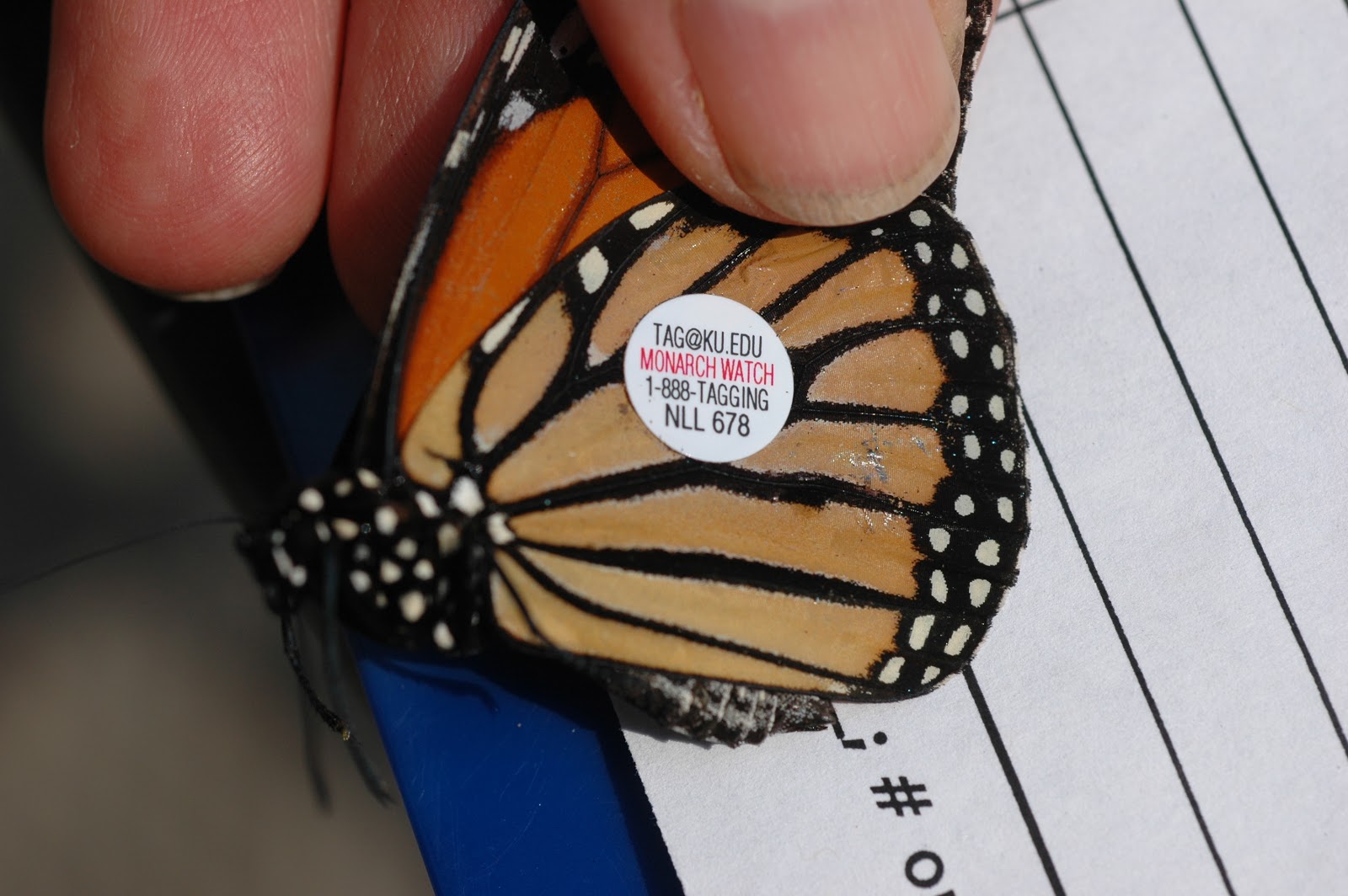
There are organizations that collect data from citizen scientists like me on these seasonal events. One is Journey North, which monitors the movements and life cycle stages of many different organisms. Another is Monarch Watch, which tracks monarch migration and even has a monarch-tagging program. Just a couple of weekends ago we netted and tagged seven monarchs in our backyard!  


One event I look forward to each year is the arrival of the white throats. White-throated sparrows arrive in the fall and overwinter here before returning to their breeding grounds, mostly in Canada, in the spring. Generally I hear them before I see them, and I thought I heard a snippet of one's song, “poor sam pea-bod-y”, on Wednesday. That seemed awfully early. I checked my calendar to see if I had recorded their arrival last year, and I had noted it on October 29th. But then, on Thursday, there it was again – and again, and again – and I heard many a “chink”, the soft call they make as they search about the ground for seeds. So the question is, are they early this year or did I fail to notice them when they first arrived last year? Natural events such as these tend to be a bit more regular than not, so I doubt that there would be such a large discrepancy between their arrival dates from one year to another. This citizen scientist may not be as observant or as diligent about keeping records as she ought to be! I’m sure I can go to other sources and find out. MOBIRDS is the site where birders across the state share their sightings.

Now the next question is: when will the true snowbirds arrive – the dark-eyed juncos? In 2008, they showed up in the yard on November 10th. When will it be this year? Any bets?